Project Background
Urban air pollution is one of the most pressing environmental health crises in India, contributing to premature deaths, respiratory disease, and reduced quality of life for millions of city residents. While national programmes such as the National Clean Air Programme (NCAP) provide a policy framework, effective local implementation requires targeted, area-specific interventions that address the dominant pollution sources in each urban context. The Clean Air Zones (CAZ) initiative provides a structured framework for designating, implementing, and monitoring area-based air quality improvement programmes.
Objectives
- Identify and designate Clean Air Zones targeting the highest-impact emission sources
- Reduce emissions from industry, transport, construction, and residential activities within zones
- Develop structured implementation frameworks integrating spatial planning and economic policy
- Establish robust monitoring and evaluation systems for ongoing air quality tracking
- Engage diverse stakeholders including industry, residents, and government in implementation
- Create replicable models for city-level air quality improvement under NCAP and allied programmes
Key Interventions & Components
- Comprehensive air quality and emission source assessment to identify priority zones
- Stakeholder consultations with industry, transport operators, resident groups, and government
- Zone designation with clear boundaries, emission reduction targets, and timelines
- Implementation of sector-specific measures: vehicle retrofitting, industrial upgrades, construction dust management
- Deployment of real-time air quality monitoring networks across designated zones
- Phased enforcement mechanisms aligned with economic feasibility and social equity considerations
- Public communication campaign to build awareness and compliance
Implementation Approach
The CAZ initiative follows a phased implementation approach: (1) Diagnostic Phase — comprehensive emissions inventory and zone identification; (2) Planning Phase — stakeholder consultations, zone designation, and implementation framework development; (3) Implementation Phase — sector-specific interventions with phased timelines; (4) Monitoring and Adaptation Phase — real-time AQI tracking and programme refinement based on outcomes. Strong stakeholder engagement throughout ensures that interventions are economically feasible, socially equitable, and practically implementable.
Technology & Innovation
The programme integrates real-time air quality monitoring using certified sensors to provide continuous data on PM2.5, PM10, NOx, SO2, and other pollutants. Data platforms support public transparency through real-time AQI displays and periodic reporting. GIS-based emissions mapping helps identify source contributions and track the effectiveness of specific interventions over time.
Climate & Environmental Impact
Measurable reductions in ambient PM2.5 and PM10 within Clean Air Zones contribute directly to reduced health burden — fewer premature deaths, hospitalizations, and respiratory disease events. Reduced NOx and SO2 emissions improve long-term ecosystem health. Zone-level interventions demonstrate feasibility and build evidence for city-wide air quality action.
Community & Social Impact
Cleaner air has profound public health and quality of life benefits for residents living and working in Clean Air Zones. Engagement of local businesses and residents as partners — rather than just subjects of regulation — builds social capital and long-term programme support. Transparent monitoring data empowers communities to hold authorities and polluters accountable.
Expected Outcomes
- Designated Clean Air Zones with documented emission reduction targets and timelines
- Operational real-time air quality monitoring networks within priority zones
- Measurable improvement in AQI indicators within designated zones
- Stakeholder engagement frameworks and compliance mechanisms in place
- Documented implementation model replicable across other Indian cities
- Contribution to National Clean Air Programme targets and city climate action plans
Project Visuals
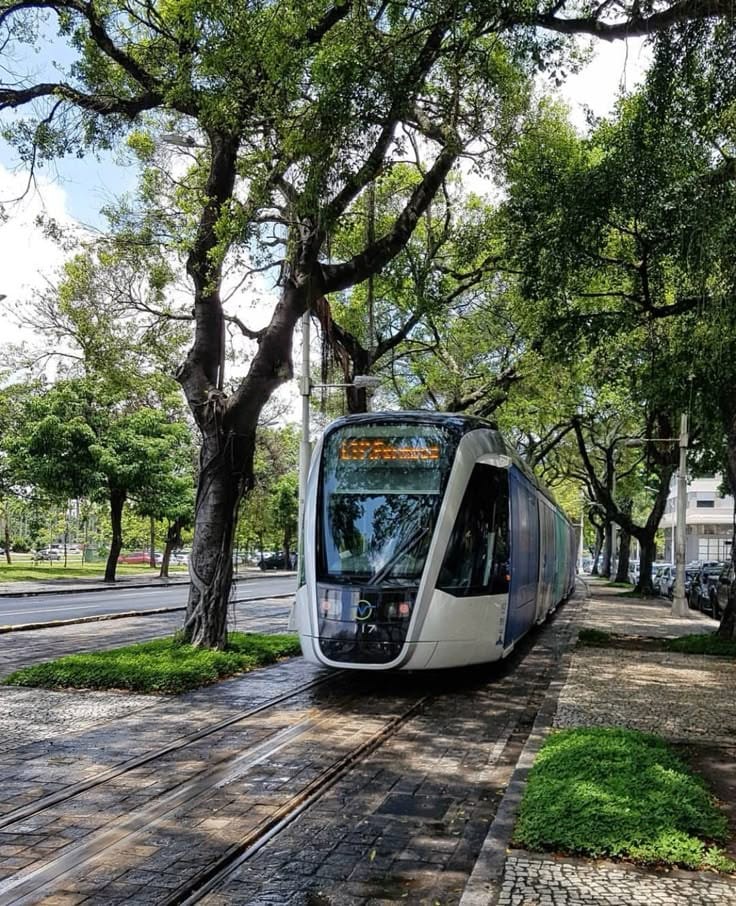
Representative visuals are included to make the project brief easier to understand. Replace these with real field photographs whenever project-specific images become available.