Project Background
Rising urban temperatures are one of the most visible and immediate consequences of climate change in Indian cities. Pilgrimage cities like Ujjain face compounding challenges — high population density during religious events, limited cooling infrastructure, vulnerable populations, and growing heat-related health risks. The Heat Resilience and Climate Intelligence Framework addresses these challenges through a structured, multi-level approach that combines scientific heat risk assessment with institutional reform, community engagement, and digital monitoring.
Objectives
- Build comprehensive heat risk maps identifying the most vulnerable urban areas and populations
- Institutionalize Heat Action Plans (HAPs) with clear triggers, protocols, and responsible agencies
- Establish dedicated Heat Resilience Cells to coordinate preparedness and response
- Deploy digital environmental monitoring systems for real-time heat and air quality data
- Promote community-led cooling interventions through nature-based and built solutions
- Position Ujjain as a national model for heat-resilient pilgrimage city management
Key Interventions & Components
- Detailed heat risk and vulnerability mapping at ward and district levels
- Institutionalization of Heat Action Plans with government agencies and health departments
- Establishment of Heat Resilience Cells at city and district levels
- Deployment of IoT-enabled environmental sensors — temperature, humidity, air quality
- Community-level cooling infrastructure — shade structures, water kiosks, cool corridors
- Training and capacity building for frontline workers and community volunteers
- Climate communication campaigns to raise awareness among residents and pilgrims
Implementation Approach
The framework operates across city, district, ward, and regional levels through a multi-level governance approach. At the strategic level, the city administration and state government provide oversight and policy direction. At the operational level, Heat Resilience Cells coordinate day-to-day preparedness and response. At the community level, grassroots networks implement localized cooling interventions. This structure ensures both strategic coherence and ground-level adaptability.
Technology & Innovation
The framework integrates design innovation, climate science, data analytics, and governance reform. IoT-based sensor networks provide real-time environmental data that feeds into a digital dashboard enabling predictive heat alerts and targeted interventions. GIS-based heat risk maps combine land surface temperature data, population vulnerability indices, and infrastructure data to identify priority areas for cooling investments.
Climate & Environmental Impact
Reducing urban heat exposure directly addresses heat-related illness and mortality risks. Coordinated Heat Action Plans ensure timely response to extreme heat events, protecting the most vulnerable populations. Nature-based cooling interventions — urban forests, green corridors, reflective surfaces — contribute to longer-term temperature reduction and improved air quality.
Community & Social Impact
Community-led cooling interventions empower local residents to take ownership of their heat resilience. Training programmes build local capacity for monitoring and response. For Ujjain, where millions of pilgrims gather during major festivals, robust heat governance is critical for public safety, health, and the economic sustainability of religious tourism.
Expected Outcomes
- Comprehensive heat risk and vulnerability maps for Ujjain
- Operational Heat Action Plans and functional Heat Resilience Cells
- Real-time environmental monitoring network across the city
- Measurable reduction in heat-related health incidents during extreme events
- Documented model replicable across other pilgrimage and Tier-2 cities
- Strengthened institutional capacity for climate risk governance
Project Visuals
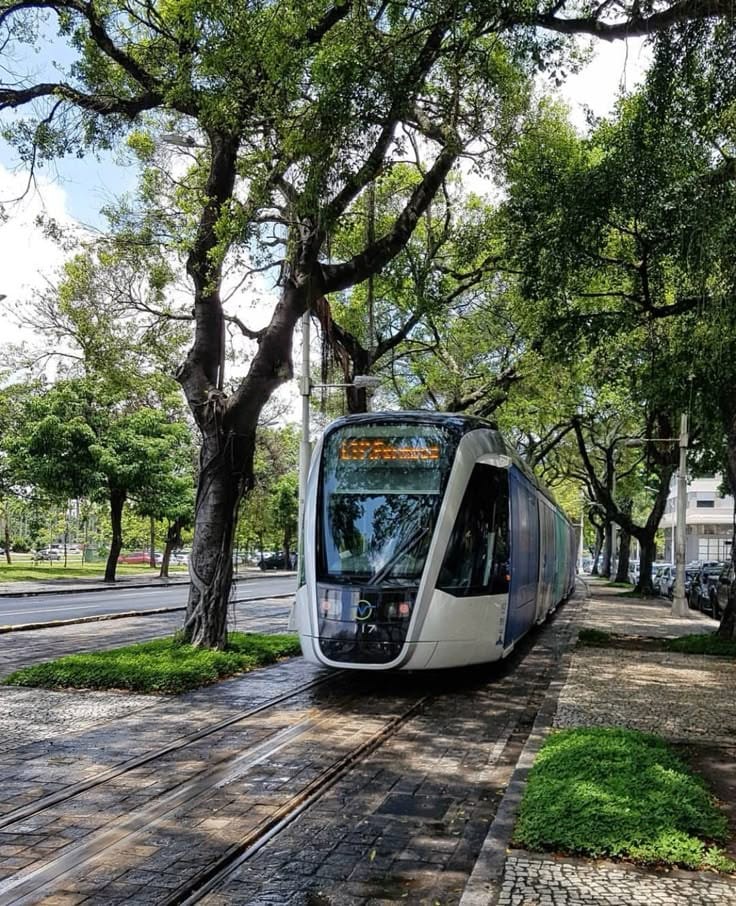
Representative visuals are included to make the project brief easier to understand. Replace these with real field photographs whenever project-specific images become available.