Project Background
India generates over 150,000 tonnes of municipal solid waste daily, of which a significant fraction is non-recyclable organic material that ends up in overburdened landfills or is openly burned, contributing to air pollution and GHG emissions. The MSW to Biochar initiative addresses this crisis through a circular economy approach — converting waste into valuable products that contribute to climate action, soil health, and rural livelihoods simultaneously. By combining municipal solid waste, agro-residues, and forest biomass with controlled thermal processing technology (torrefaction), the project transforms waste liabilities into economic and environmental assets.
Objectives
- Divert non-recyclable municipal solid waste and agro-residues from landfills and open burning
- Produce high-value biochar for soil amendment, carbon sequestration, and clean energy
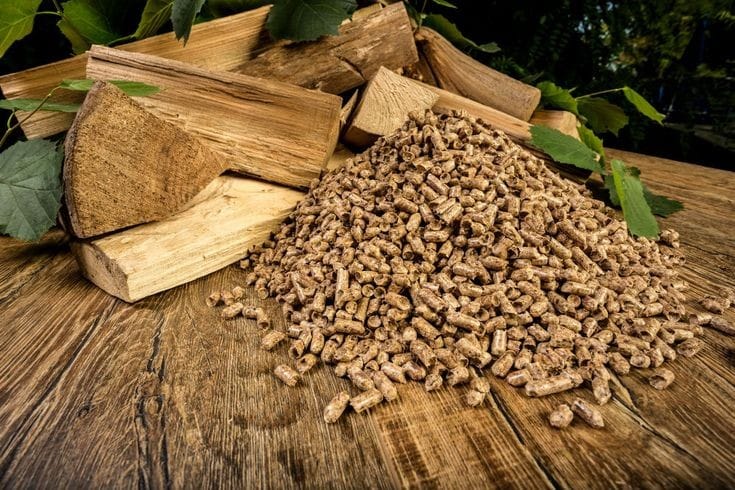
- Generate bio-pellets as a clean coal alternative for industrial and residential use
- Reduce GHG emissions from waste decomposition and open burning
- Create sustainable rural and urban livelihoods through decentralized plant operations
- Demonstrate scalable circular economy solutions for Indian cities and regions
Key Interventions & Components
- Waste characterization and feedstock assessment at target locations
- Torrefaction plant installation for controlled low-oxygen biomass processing
- Community-based waste collection and segregation systems
- Biochar quality testing and soil application trials with local farmers
- Bio-pellet production for industrial and household clean cooking applications
- Carbon credit methodology development for biochar-based carbon sequestration
- Capacity building for local operators and community waste entrepreneurs
Implementation Approach
The project is designed as a decentralized model, with processing plants sized for district or municipal-level waste streams rather than requiring large centralized infrastructure. This reduces transportation costs, creates distributed livelihoods, and enables faster replication. Community engagement in waste collection and segregation is built into the design from the outset, ensuring feedstock quality and long-term operational sustainability.
Technology & Innovation
Torrefaction is a mild thermal pre-treatment process conducted at 200–300°C in low-oxygen conditions that transforms biomass into a stable, energy-dense, and hydrophobic solid product. The technology is particularly suited to tropical biomass with high moisture content, improving its energy value and storage properties. Biochar produced from MSW and agro-residues is a stable form of carbon that can persist in soils for centuries — providing both soil health benefits and durable carbon sequestration.
Climate & Environmental Impact
Diverting waste from landfills and eliminating open burning prevents significant CH4 and CO2 emissions. Biochar application to agricultural soils sequesters carbon while improving soil water retention, nutrient availability, and crop yields. Bio-pellets displace fossil coal in industrial and household applications, reducing emissions at the point of use.
Community & Social Impact
The decentralized model creates green jobs in waste collection, segregation, plant operation, and distribution — particularly for marginalized communities. Women's self-help groups are prioritized as community waste collection operators. Improved soil health and reduced dependence on chemical fertilizers benefit farming communities who adopt biochar application practices.
Expected Outcomes
- Operational decentralized torrefaction plants processing municipal and agricultural waste
- Documented waste diversion from landfills with verifiable emission reductions
- Biochar produced and distributed for agricultural soil amendment
- Bio-pellets commercialized as clean coal alternative for industry and households
- Carbon credits generated through biochar carbon sequestration protocols
- Community livelihoods created through decentralized waste value chains
Project Visuals
Representative visuals are included to make the project brief easier to understand. Replace these with real field photographs whenever project-specific images become available.