Project Background
Indian cities face severe environmental pressures — rising urban temperatures, declining air quality, reduced biodiversity, and limited access to green spaces. The OXY Park initiative addresses these interconnected challenges through a nature-based urban intervention that combines ecological restoration with community health outcomes. The project focuses on developing dense, native plantations within city boundaries using scientifically proven high-density planting methods that accelerate canopy formation and biodiversity.
Objectives
- Increase green cover within cities through development of dense, native plantations
- Improve ambient air quality by filtering particulate matter and absorbing pollutants
- Regulate local microclimate through evapotranspiration and shading
- Create public, health-centric recreational spaces for community wellness
- Promote biodiversity through native species selection and habitat creation
- Enhance community engagement with environmental stewardship
Key Interventions & Components
- Site identification and ecological assessment of suitable urban land parcels
- Native species selection based on local biodiversity and soil characteristics
- High-density plantation using scientifically proven methods (Miyawaki-inspired)
- Installation of public amenities — walkways, seating, interpretive signage
- Community engagement and environmental awareness programming
- Long-term monitoring of air quality, biodiversity, and visitor footfall
Implementation Approach
The project follows a phased approach: baseline environmental assessment, participatory site planning with local stakeholders, plantation and establishment over 12–18 months, and a long-term stewardship programme involving community groups. Partnerships with urban local bodies, environmental agencies, and CSR programmes ensure sustained operational capacity.
Technology & Innovation
The OXY Park leverages native species ecology to maximize environmental services. High-density planting accelerates canopy closure, increasing the park's capacity to filter PM2.5, PM10, and gaseous pollutants. Soil microbiome restoration supports long-term ecosystem health. Where applicable, digital sensors monitor air quality, temperature, and biodiversity indicators in real time.
Climate & Environmental Impact
By restoring urban vegetation, the OXY Park creates measurable reductions in urban heat island effects, carbon sequestration, and improved local air quality. The dense canopy reduces ground-level temperatures, and native species support pollinators and urban wildlife corridors.
Community & Social Impact
The OXY Park transforms underutilized urban land into accessible, health-promoting green spaces. Community wellness programming, nature-based education for schools, and recreational pathways create inclusive spaces that benefit all urban residents, with particular value for communities historically underserved by green infrastructure.
Expected Outcomes
- Improved ambient air quality in the surrounding neighbourhood
- Measurable reduction in urban heat island temperatures
- Increased biodiversity through native species habitat
- Active community green spaces for wellness and recreation
- Carbon sequestration contribution to city-level climate targets
- Demonstration model replicable across Indian cities
Project Visuals
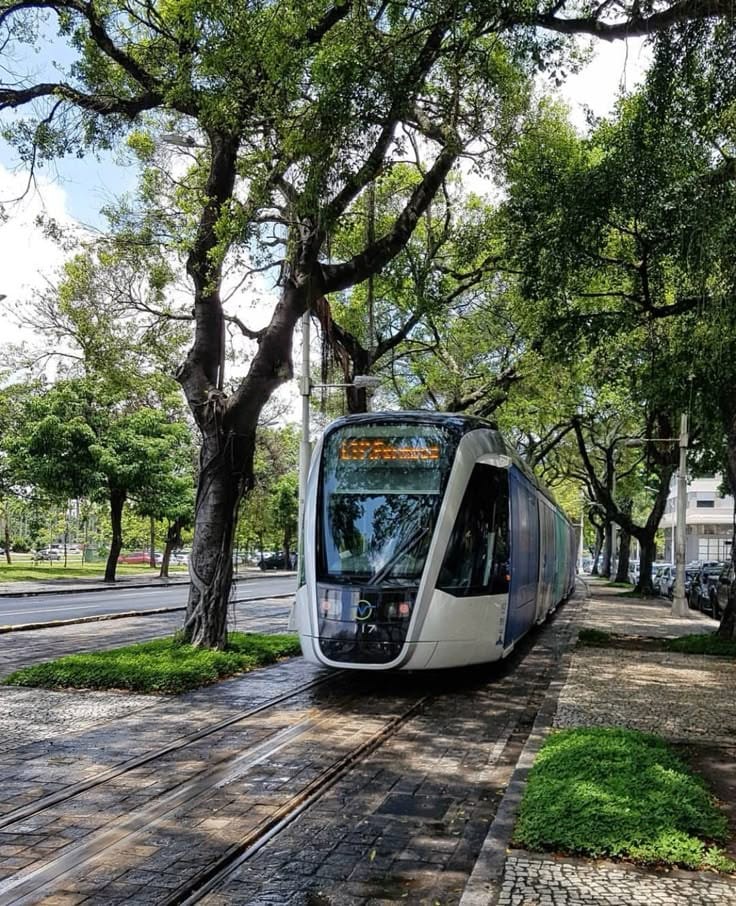
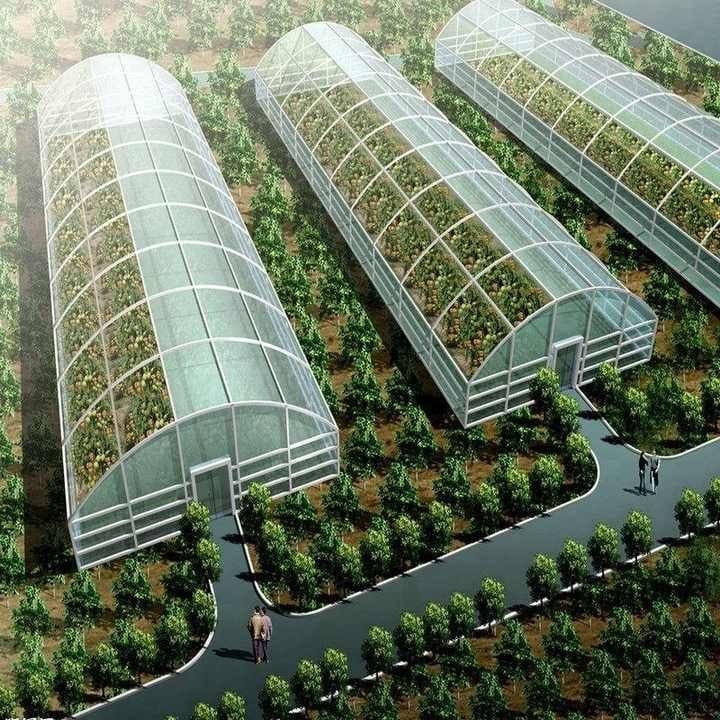
Representative visuals are included to make the project brief easier to understand. Replace these with real field photographs whenever project-specific images become available.