Project Background
The Panchbhuta Climate Innovation City (PCIC) Program represents Ecopreneure's most comprehensive urban climate initiative. Drawing inspiration from the five elements of nature — Air (Vayu), Water (Jal), Fire (Agni), Earth (Prithvi), and Space (Akash) — the program integrates these natural principles into a unified framework for city-scale decarbonisation and climate resilience. PCIC is designed as a living laboratory where policy, technology, and citizen participation converge to deliver measurable environmental, economic, and social outcomes.
Objectives
- Develop a comprehensive carbon inventory and GHG emission baseline for participating cities
- Design and implement city-specific Climate Action Plans and Net Zero Roadmaps
- Deploy AI-based analytics and digital twins for real-time monitoring of key urban systems
- Embed carbon accounting and MRV systems across sectors to generate carbon credits
- Unlock climate finance through carbon markets and multilateral development financing
- Position cities as national models for integrated Panchbhuta-based climate action
Key Interventions & Components
- City-wide carbon inventory and sectoral GHG analysis covering energy, transport, waste, water, and land use
- AI-enabled digital twin for real-time monitoring of air quality, energy, water, waste, and heat
- Sectoral decarbonisation strategies with investment-ready project portfolios
- Carbon credit methodology development and MRV framework implementation
- Nature-based urban interventions — urban forests, green infrastructure, cool corridors
- Community engagement platforms for participatory urban planning
- Integration with national climate reporting frameworks and SDG dashboards
Implementation Approach
The PCIC program follows a structured four-phase implementation pathway: (1) Baseline Assessment — comprehensive carbon inventory and vulnerability mapping; (2) Planning and Strategy — development of Climate Action Plans, Net Zero Roadmaps, and investment pathways; (3) Implementation — deployment of renewable energy, sustainable infrastructure, and circular economy systems; (4) Monitoring and Evaluation — MRV systems, carbon credit generation, and continuous impact assessment. This systematic approach ensures every solution is evidence-rooted and built for lasting impact.
Technology & Innovation
PCIC leverages a sophisticated technology stack including AI-based analytics engines, IoT sensor networks, and digital twin modeling to provide real-time visibility into urban system performance. Carbon accounting tools track emission reductions across sectors. Geospatial platforms integrate land use, infrastructure, and emissions data for comprehensive urban intelligence. The program also builds connections to carbon registries and climate finance platforms.
Climate & Environmental Impact
By systematically reducing emissions across energy, transport, waste, water, and land use sectors, PCIC creates measurable contributions to city-level and national climate targets. Carbon credit generation provides a sustainable revenue stream for continued investment in climate infrastructure. Urban nature-based solutions improve air quality and biodiversity alongside direct emission reductions.
Community & Social Impact
PCIC fosters transparency, community engagement, and innovation, positioning cities as national models for climate action. Participatory planning processes ensure that climate investments address community needs and priorities. Green infrastructure investments create jobs, improve public health, and enhance quality of life for all urban residents.
Expected Outcomes
- Fully documented city carbon inventories and Net Zero Roadmaps
- Operational digital twin and real-time urban monitoring systems
- Climate Action Plans ready for implementation and financing
- Verified carbon credits generated across participating sectors
- Demonstrated model replicable across Indian cities
- Strengthened institutional capacity for city-level climate governance
Project Visuals
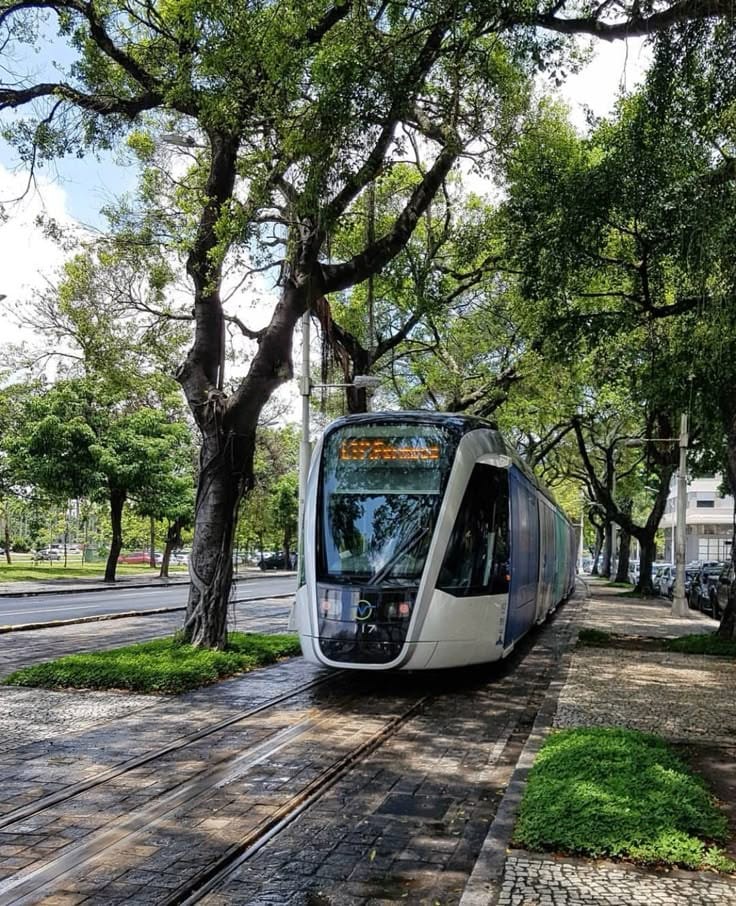
Representative visuals are included to make the project brief easier to understand. Replace these with real field photographs whenever project-specific images become available.